
02/10/2026
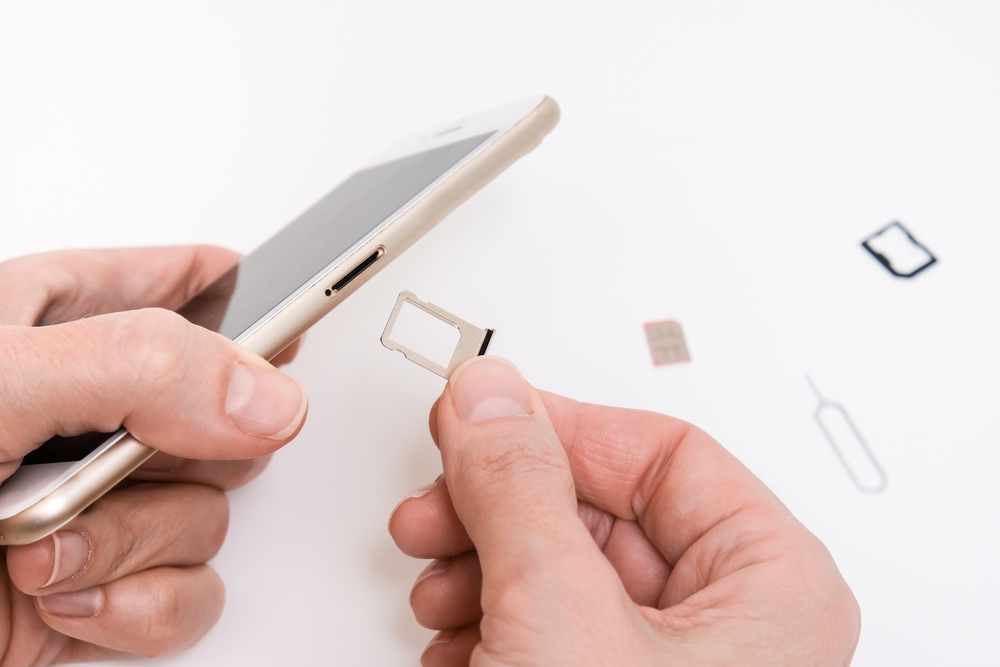
Do you have a drawer in your home? The one that has been accumulating outdated phones, tablets, and other gadgets for years? You’re not alone; millions of individuals have an increasing amount of old equipment tucked away in storage bins, drawers, and closets.
However, most individuals are unaware that those forgotten devices may be secretly endangering your sensitive data.
Think about everything you've done on your smartphone over the years. You've logged into bank accounts, sent private messages, stored family photos, saved passwords, and tracked your location everywhere you went. Your phone has been your constant companion, quietly recording your digital life. Now think about where that old phone is sitting right now. When it’s time to sell used iPhone models, many people focus only on the payout and overlook the fact that the device may still contain years of personal data that needs to be properly addressed first.
The average person upgrades their phone every 2-3 years, which means there are billions of old devices out there containing years of personal data. Many people assume that because a phone is old or the screen is cracked, it's somehow safe. Unfortunately, that's not how data works.
Let's break down what information typically lives on a smartphone or tablet you've used regularly:
Personal Identification:
Financial Data:
Private Communications:
Photos and Videos:
Access Credentials:
But this is only the beginning. In actuality, your phone has more knowledge about you than the majority of your friends and relatives.
But what happens if these gadgets are left to gather dust? Multiple scenarios could happen if your data falls into the wrong hands. When you decide to sell iPad mini devices instead of letting them sit unused, it is critical to understand the real risks involved if personal data is not properly removed first.
Maybe you're storing old devices in a box that gets stolen during a break-in. Perhaps you donate items to charity without checking that box in the closet. Or maybe a family member accidentally includes your old tablet in a garage sale. These things happen more often than you'd think.
When someone gets their hands on your old device, they're not just getting a piece of hardware. They're potentially getting access to years of your personal information.
Many people eventually decide to throw old electronics in the trash or drop them at a recycling center. This seems responsible, but it creates a huge security problem. E-waste facilities process thousands of devices, and not all of them have strong data security protocols. Workers at these facilities could potentially access the data, or devices could be resold without proper data destruction.
Sometimes people give old devices to friends, family members, or even sell them online without properly wiping them first. You might trust the person you're giving it to, but what happens if they sell it later? Or if their house gets broken into? Your data could end up anywhere.
Here's something that surprises most people: deleted data isn't actually gone. When you delete a file or even do a factory reset, you're often just removing the path to that data, not the data itself. With the right software and knowledge, someone can recover "deleted" information from devices.
There's an entire industry built around data recovery. While this technology helps people who accidentally delete important files, it also means that determined criminals can extract data from devices that seem wiped clean.
Identity theft is one of the fastest-growing crimes in the world. Thieves need just a few pieces of information to wreak havoc on your life. Your old phone or tablet can provide everything they need.
With access to your device, someone could:
The financial damage from identity theft averages thousands of dollars per victim, and that doesn't account for the time and stress involved in recovering your identity. Some victims spend years trying to undo the damage.
Most people believe they're protecting themselves, but they're actually leaving their data vulnerable. Let's clear up some common misconceptions.
When you delete photos, messages, or documents from your device, they're not actually gone. The tool only indicates that storage space is open to fresh information. The original data is still recoverable until it is overwritten.
A cracked screen or dead battery doesn't protect your data. In most cases, the storage chip inside is perfectly fine and can be removed and read by someone with basic technical skills.
Criminals don't have preferences. Whatever information they can find, they will use. Important personal information that hasn't changed, such as your birthdate, Social Security number, or outdated passwords you may still use, is probably on even a 2015 phone.
While professional data destruction services offer the most thorough protection, you don't necessarily need them to adequately secure your device before selling. Understanding how data actually exists on your device helps you choose effective methods.
For most consumer situations, using your device's native encryption (like BitLocker for Windows or FileVault for Mac), followed by a complete factory reset, provides substantial protection. Adding an extra step of overwriting storage with random data further reduces recovery risks. Free tools like DBAN (for traditional hard drives) or the secure erase features built into modern operating systems can accomplish this effectively.
Software used by professional services repeatedly overwrites every storage bit with random data. Strict requirements, such as DoD 5220.22-M or NIST norms, are followed throughout this process. Even with sophisticated forensic techniques, the original data is totally unrecoverable after several overwriting passes.
After wiping a device, professional services verify that the process worked. They'll run diagnostics to confirm no data remains accessible. Many services provide a certificate of data destruction, giving you documented proof that your information was properly handled.
Professional services can physically destroy the storage components for devices that cannot be safely erased or for customers who want complete assurance. This might involve crushing, shredding, or disassembling (scrambling data on magnetic storage with strong magnets).
Expert data deletion services handle sensitive data in accordance with the law. If your device was used for work or contains medical documents that are protected by rules like HIPAA, this is extremely important.
When you use a professional data wiping service, you're not just getting peace of mind. You're getting real protection.
These services know the ins and outs of every device type. Different phones, tablets, and computers store data differently. Professionals understand these differences and apply the right techniques for each device.
Professional services keep detailed records of every device they process. This creates an audit trail showing exactly when and how your data was destroyed. If you ever need to prove you took proper steps to protect information, you have documentation.
Many professional wiping services also handle proper recycling or refurbishment of devices. This means your old phone gets a second life without compromising your security, and harmful materials don't end up in landfills.
Your old phone isn't just an outdated piece of technology. It's a detailed record of your life, your finances, your relationships, and your identity. Leaving it sitting in a drawer isn't harmless. It's a risk that grows with every passing day.
Don't let your old devices become the skeleton in your closet. Take action today to protect yourself and your family from data exposure. Your future self will thank you. Take the next step toward protecting your digital life and your identity. Contact GoRoostr today to get expert guidance on secure data destruction and protecting your personal information.