
11/25/2025
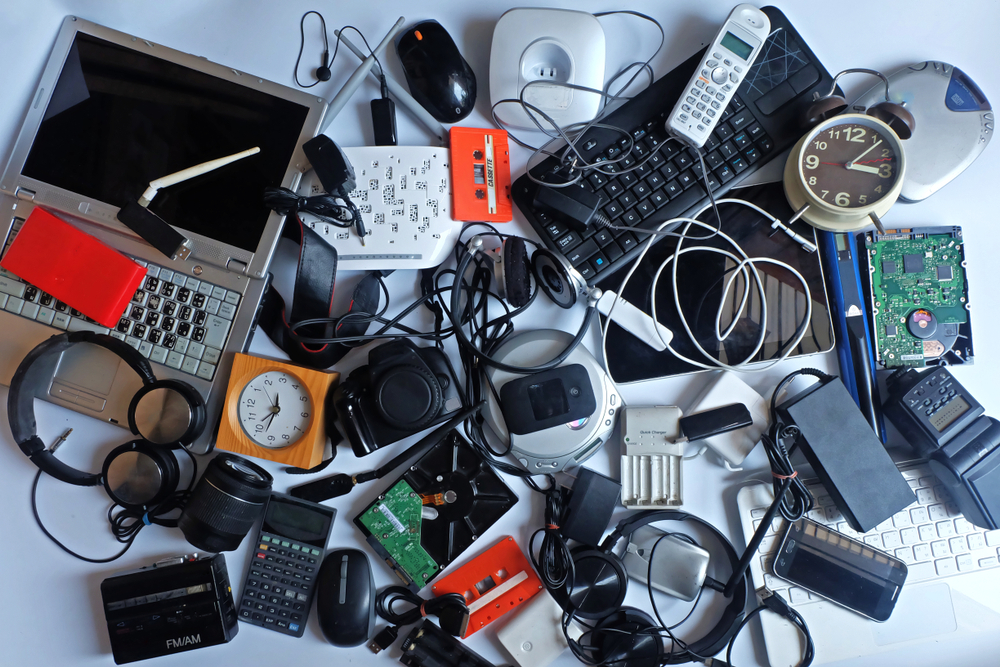
Electronic waste, or e-waste, is one of the fastest-growing waste streams in the world. Every year, millions of phones, laptops, tablets, and other devices end up in landfills instead of being properly recycled. Trading in your device through a trusted business like GoRoostr also reduces e-waste by extending product life and keeping usable electronics out of landfills. Understanding what e-waste is and why recycling matters can help you make better decisions about your old electronics.
Our company is R2v3 certified, meaning we follow the highest global standards for responsible electronics recycling and refurbishment. This certification supports the fact that every device we handle is processed with careful consideration for worker safety, data security, and environmental protection. Meeting the strict standards set by R2v3 for recyclers, refurbishers, and asset managers demonstrates our dedication to ethics and open business practices.
E-waste refers to any discarded electronic device or component. This includes anything with a circuit board, battery, or electrical cord. Common examples of e-waste include smartphones, laptops, desktop computers, tablets, monitors, televisions, printers, keyboards, mice, gaming consoles, and chargers. Even smaller items like headphones, smartwatches, and electronic toys count as e-waste.
The definition also covers larger appliances like refrigerators, washing machines, and air conditioners. Basically, if it plugs in or uses batteries, it becomes e-waste when you throw it away. Choosing an old MacBook Pro trade-in is an easy way to keep valuable materials in circulation while preventing another device from ending up in a landfill.
E-waste is different from regular trash because electronic devices contain materials that can harm the environment and human health if not handled properly. These devices also contain valuable materials that can be recovered and reused.
The amount of e-waste generated worldwide is staggering and growing every year. Global e-waste production reached over 62 million metric tons in 2022. To put this in perspective, that weight equals more than 400 Empire State Buildings. Experts predict this number will grow to 82 million metric tons by 2030.
The average person in developed countries generates about 16 to 20 kilograms of e-waste per year. In the United States alone, people discard over 6 million tons of electronics annually.
Only about 17% of global e-waste gets properly recycled. The rest ends up in landfills, gets incinerated, or is illegally exported to developing countries. This means over 50 million metric tons of valuable and potentially hazardous materials are not being recovered each year.
Electronics have become more disposable over time. People upgrade their phones every two to three years on average. Laptops typically get replaced every three to five years. This rapid replacement cycle creates more waste than ever before.
Electronic devices contain numerous materials that pose risks to environmental and human health.
Heavy Metals
Toxic Chemicals
Other Hazardous Substances
When electronic waste ends up in landfills or gets burned, it causes serious environmental damage.
Heavy metals and toxic chemicals leach from discarded electronics into the soil. This contamination can last for decades or centuries. Contaminated soil cannot support healthy plant growth and affects the entire local ecosystem.
Plants growing in contaminated soil absorb these toxins. Animals eating these plants accumulate the toxins in their bodies. This creates a cycle of contamination moving through the food chain.
Rain and groundwater carry toxins from e-waste into streams, rivers, and underground water supplies. Once water sources are contaminated, cleaning them is extremely difficult and expensive.
Communities relying on contaminated water sources face serious health risks. Agricultural areas using contaminated water pass toxins into food crops.
Studies have found elevated levels of lead, mercury, and other toxins in water sources near e-waste dumping sites. These levels often exceed safe drinking water standards by large margins.
Burning electronics releases toxic fumes into the air. This happens both in informal recycling operations and in landfill fires. The smoke contains heavy metals, dioxins, and other dangerous compounds.
People living near e-waste burning sites experience higher rates of respiratory problems, cancer, and other health issues. The pollution can travel long distances through wind patterns, affecting areas far from the source.
Animals living near e-waste sites accumulate toxins in their bodies. Birds, fish, and mammals show elevated levels of heavy metals and other contaminants.
These toxins affect reproduction, development, and survival. Studies have documented deformities, reduced populations, and changes in animal behavior near e-waste pollution sites.
At every stage, improper handling of e-waste poses significant health risks to individuals. Dismantling equipment can release toxic dust and fumes into the air, endangering the long-term health of nearby communities and workers. These pollutants can build up in soil and water over time, posing persistent risks to public health and entire ecosystems.
In many developing countries, people dismantle electronics by hand to recover valuable materials. These workers often lack protective equipment and proper training.
They burn plastic to access metal components, breathing toxic fumes daily. They use acid baths to extract precious metals, exposing themselves to chemical burns and poisoning.
Children sometimes work in these informal recycling operations. Their developing bodies are especially vulnerable to toxins. Studies show elevated levels of lead, cadmium, and other toxins in children living near e-waste sites.
Communities near e-waste dumping or processing sites experience higher rates of various health problems. These include respiratory diseases, skin conditions, cancer, neurological problems, and reproductive issues.
Pregnant women exposed to e-waste toxins have higher risks of miscarriage, premature birth, and babies with developmental problems.
Long-term exposure to even low levels of many e-waste toxins can cause chronic health conditions that develop over years or decades.
Electronic devices contain precious and useful materials worth recovering.
Gold is used in circuit boards and connectors because it does not corrode. A single smartphone contains about 0.034 grams of gold. With billions of phones discarded, the total gold in e-waste is worth billions of dollars.
Silver is found in circuit boards, switches, and solder. Electronic waste contains more silver concentration than natural silver ore.
Platinum and palladium appear in hard drives and circuit boards. These rare metals are expensive and useful in various industries.
Copper appears in wiring, circuit boards, and motors. Copper is infinitely recyclable and maintains its properties through multiple recycling cycles.
Aluminum is used in casings, heat sinks, and internal structures. Recycling aluminum uses 95% less energy than producing new aluminum from ore.
Steel and iron form the frames and structures of many devices. These metals are easy to recover and recycle.
Recycling electronics provides multiple environmental, economic, and social benefits. When you trade in an iPad Pro, you extend the life of the device and help reduce the overall environmental impact of growing global e-waste. Working with an R2v3 certified company gives you an additional degree of assurance because the certification attests to the fact that devices are recycled and refurbished responsibly, paying close attention to worker safety, data security, and environmental protection. You can be sure that your electronics are handled ethically, benefiting your community and the environment, by selecting an R2v3 certified recycler.
Benefit Category | Description | Examples / Data |
Resource Conservation | Recovering materials from old electronics reduces the need to mine new raw materials, which is energy-intensive and environmentally destructive. | - Recycling 1 million laptops saves energy to power 3,500+ homes for a year. - Recycling 1 million phones recovers 35,000 lbs copper, 772 lbs silver, 75 lbs gold, 33 lbs palladium. |
Energy Savings | Manufacturing products from recycled materials requires significantly less energy than using virgin materials, reducing greenhouse gas emissions. | - Recycled aluminum uses 95% less energy. - Recycled copper uses 85% less energy. - Recycled steel uses 60% less energy. |
Economic Benefits | The recycling industry creates safe, well-paid jobs and generates revenue from recovered materials. Refurbished devices provide affordable tech access. | - Jobs in collection, sorting, processing, material recovery. - Selling recycled materials reduces raw material costs. - Refurbished devices support lower-income communities. |
Pollution Prevention | Proper recycling safely handles hazardous materials, preventing toxins from entering the environment and reducing future cleanup costs. | - Certified recyclers follow strict protocols. - Prevents soil and water contamination. - Protects public health. |
Understanding the recycling process shows why proper disposal matters.
Taking proper steps before recycling protects your privacy and helps recyclers.
E-waste represents both a significant environmental challenge and an opportunity. The toxic materials in electronics threaten human health and environmental quality when improperly handled. At the same time, these devices contain valuable materials worth recovering.
Proper recycling protects the environment, conserves resources, saves energy, and creates economic benefits. Everyone has a role to play, from individuals making better choices to manufacturers designing better products to governments creating supportive policies.
The next time you have an old phone, laptop, or any electronic device, remember that where it goes matters. Taking a few extra minutes to find proper recycling options creates positive impacts that extend far beyond your individual action. Together, responsible e-waste management can protect both people and the planet for generations to come. Ready to make a responsible choice with your old electronics? Contact GoRoostr today to trade in your devices and support smarter, sustainable e-waste solutions with an R2v3 certified recycler.